Every pair of sunglasses is built from one of two material families: acetate (plastic) or metal. There are hybrids and outliers, but these two categories cover 95 percent of what you will encounter when shopping. Understanding the difference helps you buy smarter.
Acetate: the bold option
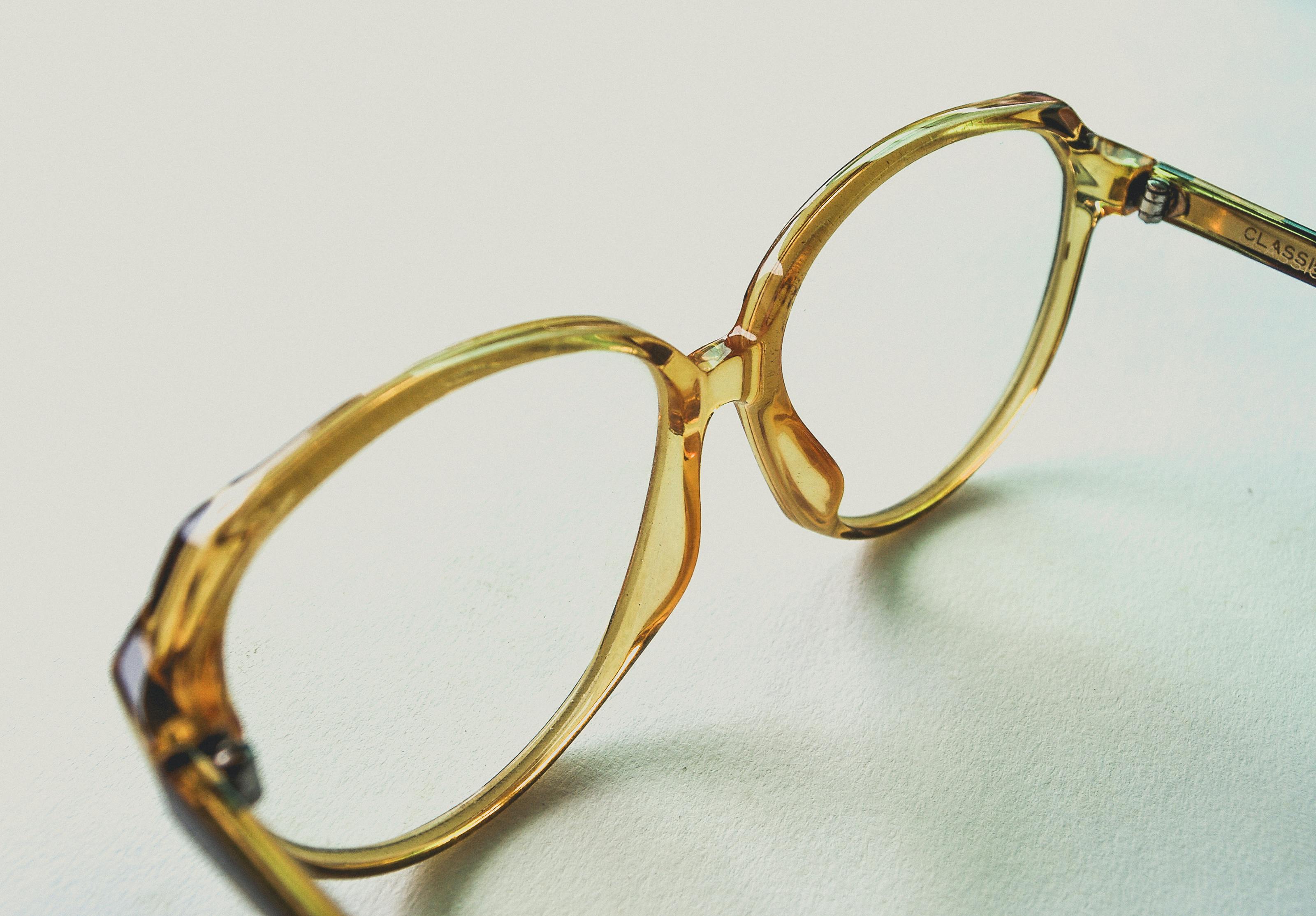
Acetate is a plant-derived plastic made from cotton fiber and wood pulp. High-quality acetate is layered, polished, and can achieve colors and patterns that metal cannot: tortoiseshell, crystal, gradient, multicolor laminations. It is the material of statement frames.
Weight. Acetate frames are heavier than metal. Not uncomfortably so for most people, but noticeable over a full day. If weight sensitivity is a concern, this matters.
Durability. Acetate is flexible within limits. It can absorb minor impacts without cracking. However, it is sensitive to heat. Leaving acetate frames on a car dashboard in summer can warp them permanently. They also cannot be adjusted as precisely as metal frames because the material does not bend predictably.
Aesthetic. Acetate frames have visual weight. They create a strong border around the eyes and make a clear style statement. This is why acetate dominates fashion eyewear. The material supports bold shapes and thick profiles that draw the eye.
Best for: People who want their frames to be a visible part of their look. Round faces that benefit from the structural definition acetate provides. Anyone drawn to color and pattern.
Metal: the quiet option
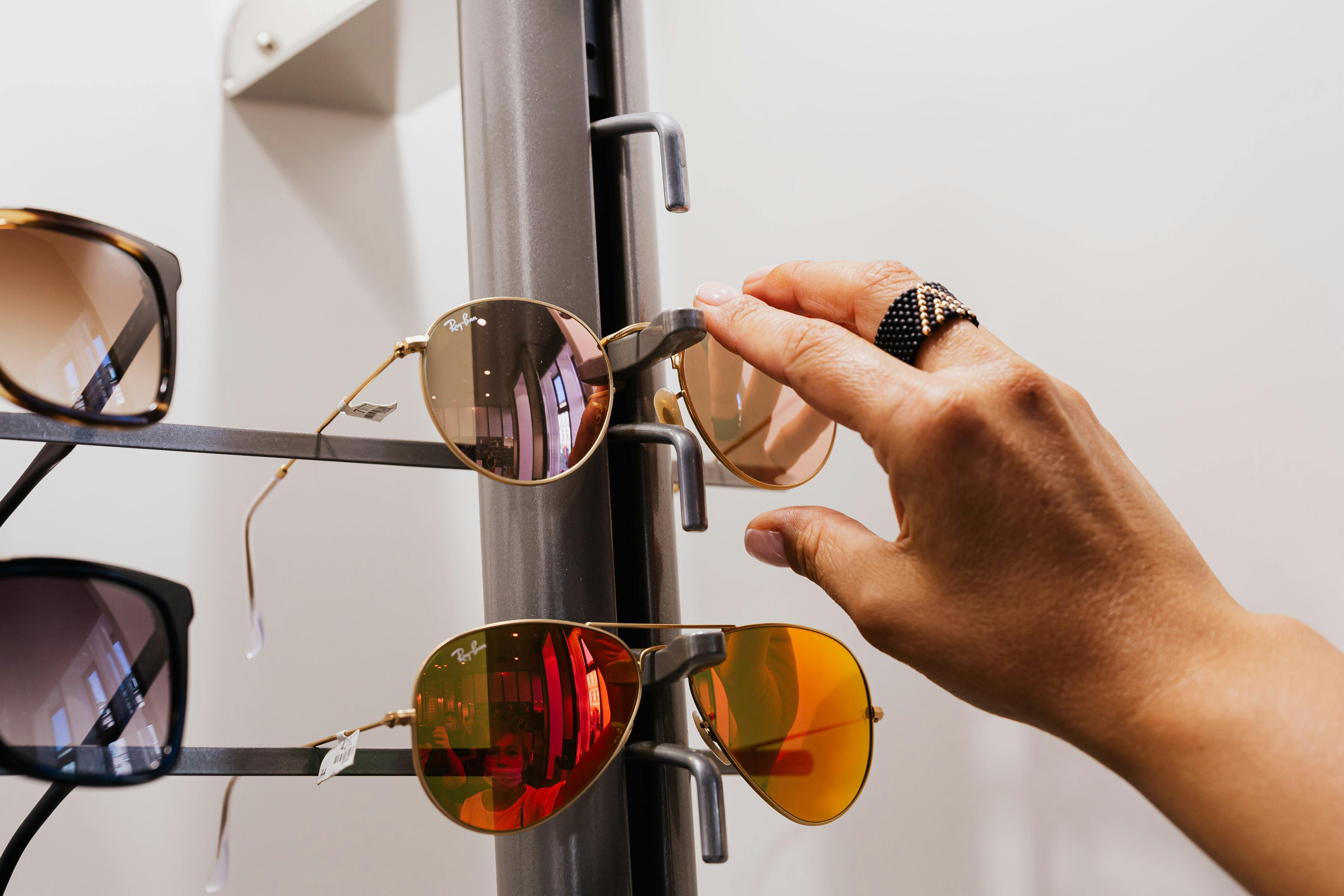
Metal frames are made from stainless steel, titanium, aluminum, or alloys. They are thinner, lighter, and more adjustable than acetate. The aesthetic is minimal by nature because metal can only be so thick before it becomes impractical.
Weight. Metal frames, especially titanium, are dramatically lighter than acetate. Some titanium frames weigh under 15 grams. For all-day comfort, metal is the superior choice.
Durability. Metal frames can be bent back into shape after minor misalignment. Nose pads and temple tips are replaceable. The frame itself can last years with occasional professional adjustments. However, metal is more prone to surface scratching and can corrode at solder points over time if quality is low.
Aesthetic. Metal frames are understated. They sit on the face without demanding attention, which is either a feature or a limitation depending on your preference. Wire and thin metal frames let your features dominate. They say “I chose carefully” without saying “look at my glasses.”
Best for: People who prioritize comfort and longevity. Angular faces that do not need added structure. Minimalists. Anyone who wears their frames 12 or more hours per day.
The hybrid space
Combination frames use metal temples with acetate fronts, or vice versa. These attempt to offer the visual impact of acetate where it matters most (around the eyes) with the comfort and adjustability of metal where it matters most (on the ears and nose).
Hybrids are a strong choice if you like the look of acetate but find full-acetate frames too heavy. The trade-off is complexity: more connection points mean more potential failure points over time.
How to choose
Ask yourself one question: do you want your sunglasses to be part of the conversation, or the punctuation at the end of it?
If the answer is part of the conversation, acetate. If the answer is punctuation, metal. Both are correct. The material just needs to match your intention.