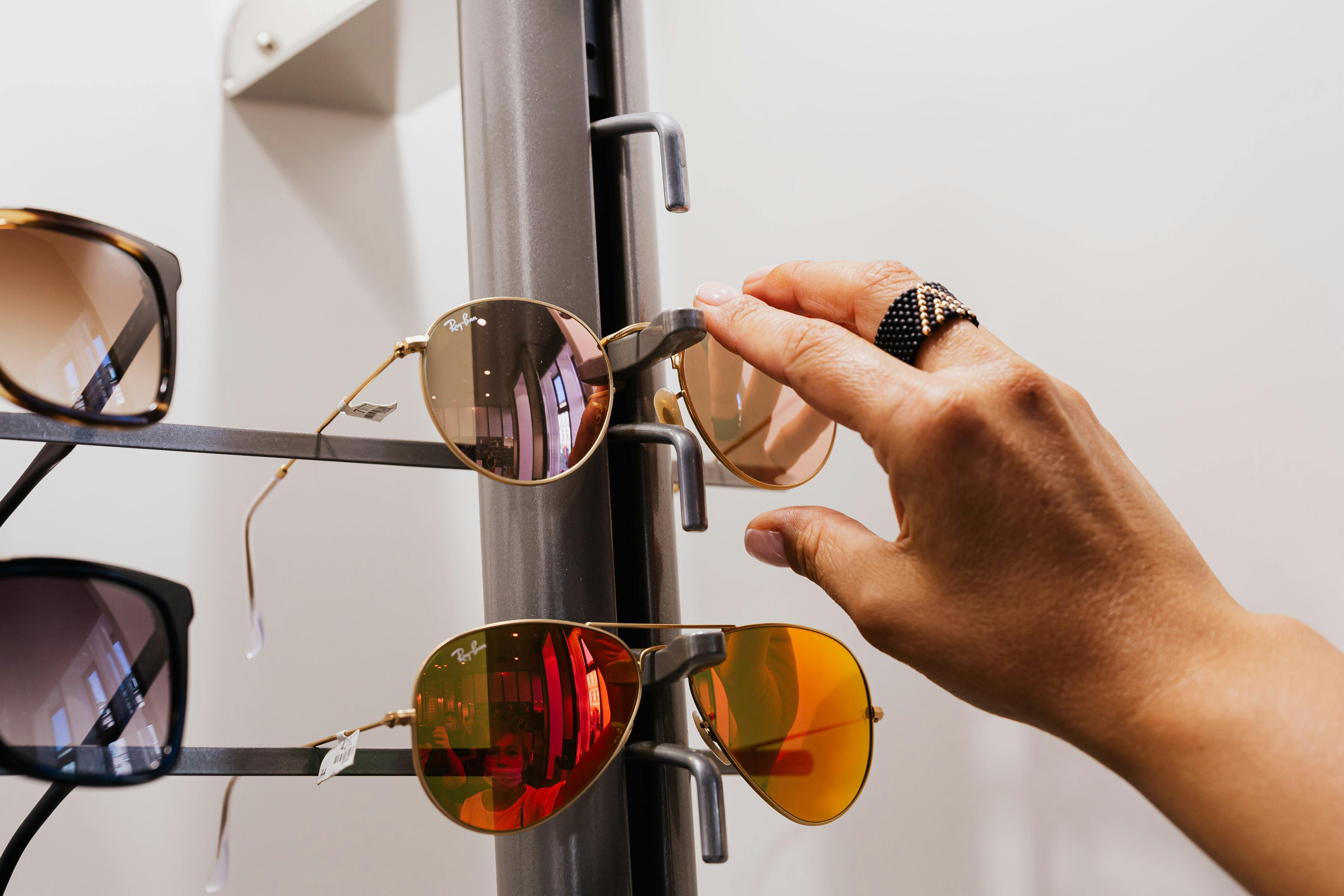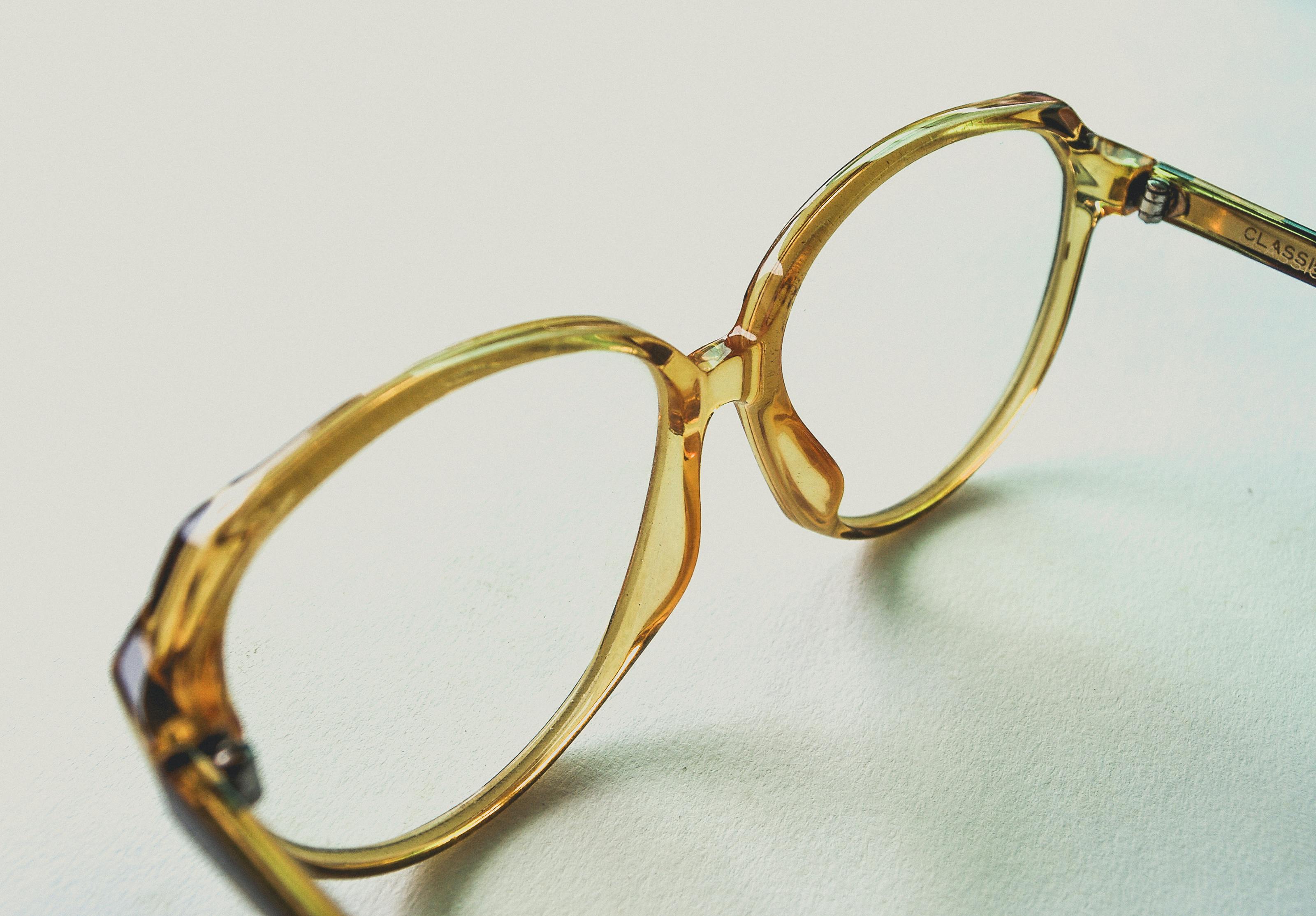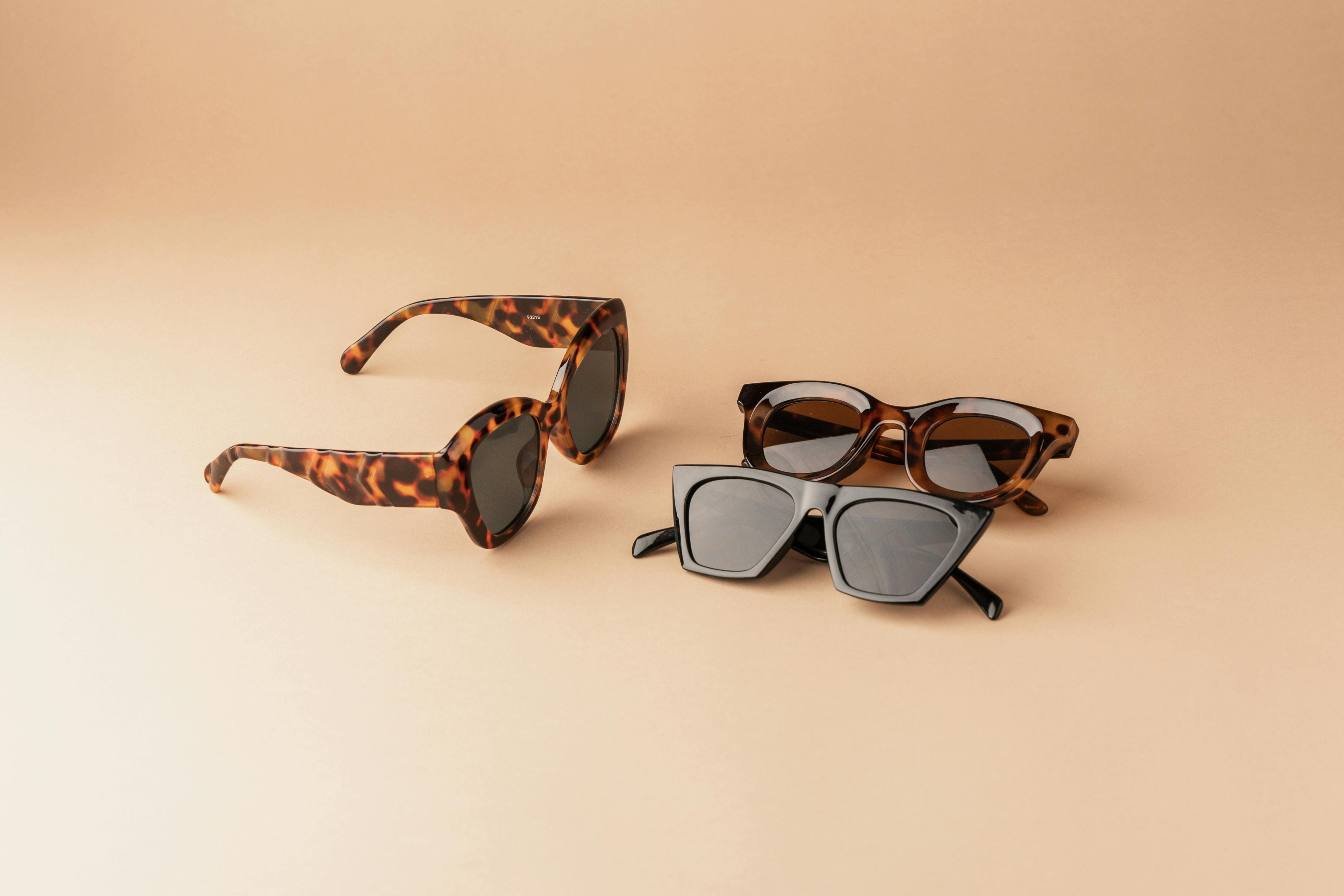
The capsule wardrobe concept works for clothing because it imposes a constraint that forces better decisions: you cannot buy something unless it works with what you already own. Applied to eyewear, the same logic produces a small collection that covers every real situation without redundancy.
Three pairs. That is the number. Here is how to build them.
Pair one: The everyday driver
This is the frame you reach for without thinking. It needs to work with everything you wear, sit comfortably for extended periods, and be robust enough that you are not anxious about where you put it.
Shape: oval or slightly rectangular. These are the most versatile silhouettes — they read as neither too casual nor too formal and they flatter the widest range of face shapes. Avoid anything too distinctive here. The everyday pair is your neutral.
Lens: gray. Pure color accuracy, no shift in perception. It does not enhance contrast or warm the image. It just turns down the brightness uniformly, which is exactly what you want when you are not thinking about your sunglasses.
Material: metal or quality acetate. Durable, adjustable if needed, unlikely to look dated quickly.
Pair two: The statement piece
This is the frame that exists to be noticed — the one you choose when the outfit calls for it or when you want to signal something about your aesthetic. It should be more distinctive than your everyday pair: a more pronounced shape, a stronger color, a design detail that does not exist on your neutral pair.
This is where independent eyewear labels earn their place. The mass market produces safe shapes in safe colors. If you want something that does not look like what everyone else is wearing, you need to look at brands that are building design identities rather than replicating category defaults.
The statement pair does not need to be expensive. It needs to be right — which means it should fit your face correctly, work with at least a third of your wardrobe, and have a design quality that holds up over repeated exposure. A distinctive frame that loses its appeal after two weeks was not the right distinctive frame.
Pair three: The functional specialist
This pair exists for specific conditions rather than general use. For most people it is one of two things: a sport or outdoor frame for active use, or a driving-optimized frame for time on the road.
The active pair: Wraparound or close-fitting frame with secure temples. Polarized lens in brown or amber for contrast. Light enough to forget you are wearing it. This pair lives in your bag or your car, not on your face at a café.
The driving pair: Polarized lens is essential. Brown or gray, depending on whether you prefer warm contrast or neutral accuracy. A frame that does not catch wind noise at speed. Comfortable over extended hours.
Choose based on your actual life. If you run or hike regularly, the active pair. If you spend significant time driving in variable light, the driving pair.
What makes the three work together
The logic is not aesthetic coordination — you are not trying to match your pairs. The logic is functional coverage. The everyday pair handles 80 percent of your situations. The statement pair handles the occasions where you want to say something with your eyewear. The specialist pair handles the conditions where neither of the first two is appropriate.
Any fourth pair you own is redundancy. Before buying a fourth, ask honestly whether it is covering a situation the existing three do not.
The maintenance principle
A capsule works because you take care of what you have. Each pair should have a case — hard case for storage, soft pouch for daily carry. Microfiber cloth in a zip bag. Regular lens cleaning with water before wiping.
Three pairs maintained well will outlast six pairs treated carelessly.