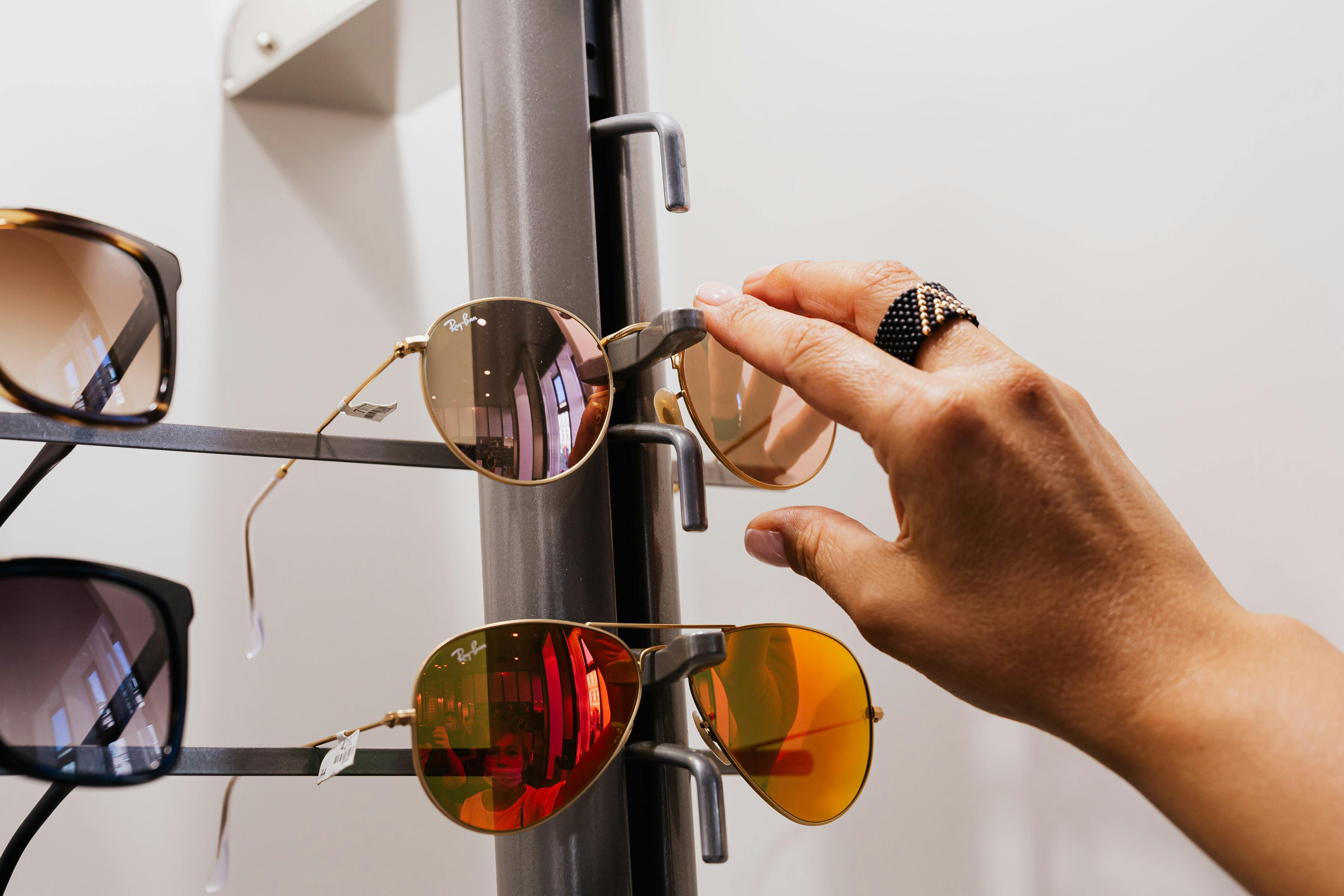
Wire frames never fully disappear. They cycle between mainstream visibility and quiet background presence every few years. Right now they are firmly in the visible phase, showing up on runways, in street style photography, and on the faces of people who pay attention to what they put on.
But this iteration is different from the last one, and the difference matters if you are considering buying in.
What changed
The wire frame revival of 2018 to 2020 was cool-toned. Silver, gunmetal, and raw steel dominated. The aesthetic borrowed from vintage intellectualism and techy minimalism. Think John Lennon by way of Silicon Valley.
The 2026 version is warmer. Gold and rose gold are the dominant metals. Temple detailing has gotten slightly more decorative. Bridge designs are more varied, with some brands experimenting with double-bridge and keyhole shapes that would have been too ornate for the last cycle.
The shift from cool to warm changes what the frames communicate. Cool wire frames read as cerebral and detached. Warm wire frames read as refined and approachable. If the last cycle was the architect, this cycle is the gallerist.
Who it works for
Wire frames suit people with strong features. Because the frame itself is thin and minimal, it does not compete with prominent cheekbones, a strong jaw, or defined brows. It sits on the face quietly and lets the features speak.
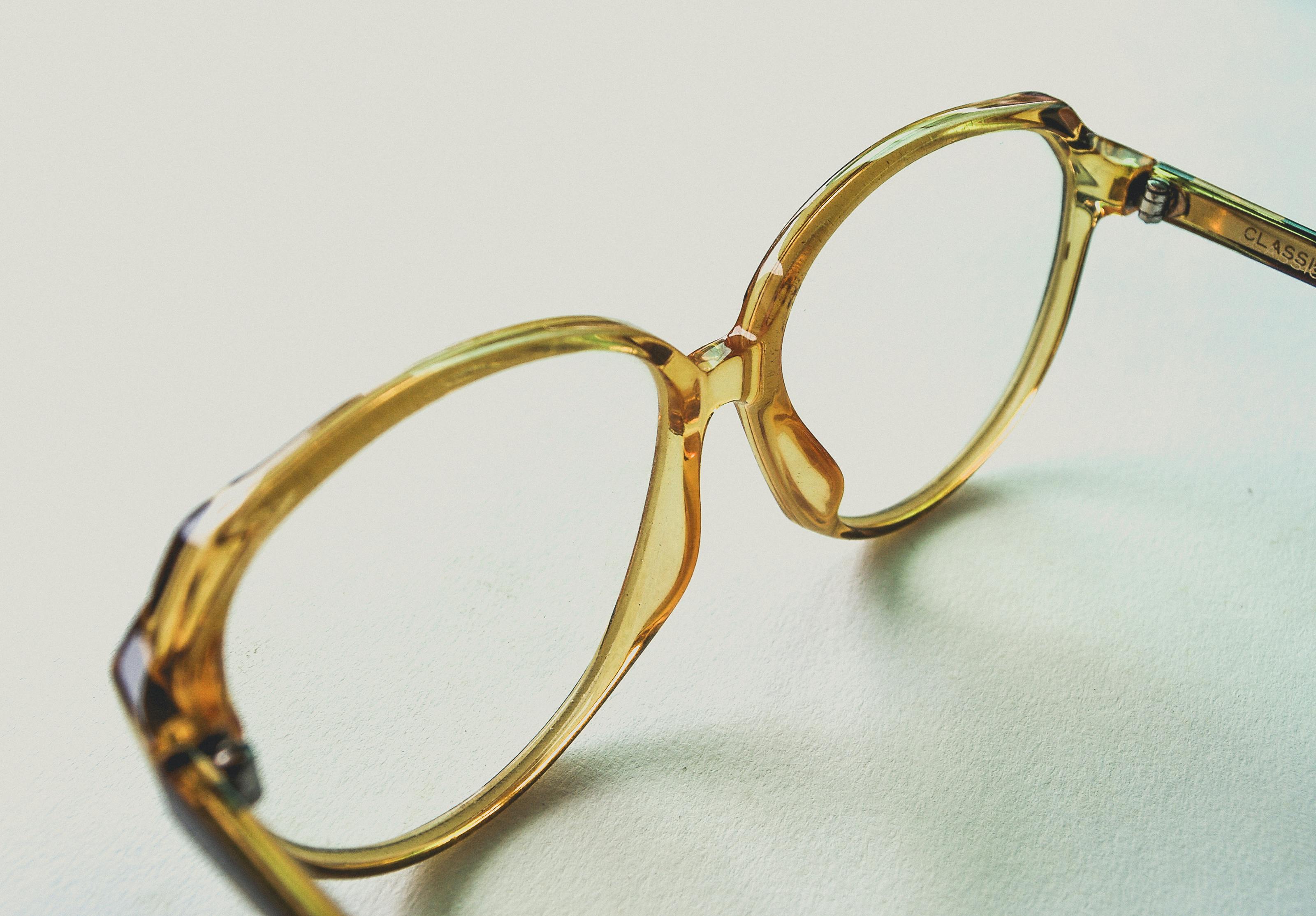
On softer or rounder faces, wire frames can sometimes feel underwhelming. The lack of visual weight means the frame does not provide the structural contrast that thicker acetate frames offer. If your face benefits from frames that add definition, wire might not be your best play right now.
The exception is oversized wire frames, which are also part of this revival. A larger wire frame provides more face coverage and creates presence without thickness. Some independent brands are bridging this gap with mixed-material frames that offer the lightness of metal with the visual interest of unconventional shapes.
The practical advantages
Wire frames are light. Genuinely, noticeably light. If you have ever ended a long day in heavy acetate frames with red marks on your nose bridge, the weight difference is immediate and significant.
They are also more adjustable than plastic frames. A good optician can fine-tune the fit of wire temples and nose pads to your specific face geometry in ways that acetate frames do not allow. This means a wire frame that starts as a decent fit can become a perfect fit with minor adjustments.
The risk
Wire frames scratch and bend more easily than acetate. They require slightly more care. A wire frame that gets sat on is harder to restore to its original shape than a thick plastic frame that can flex and recover.
If you are rough on your sunglasses, factor this into the decision. Wire rewards care. It does not forgive neglect.
The verdict
The warm wire frame revival is one of the strongest eyewear trends happening right now. If you have the face for it and you treat your glasses with basic respect, a gold or rose gold wire frame is a genuinely excellent addition to your rotation. It reads current without being trendy, and it will age gracefully into the next cycle.